
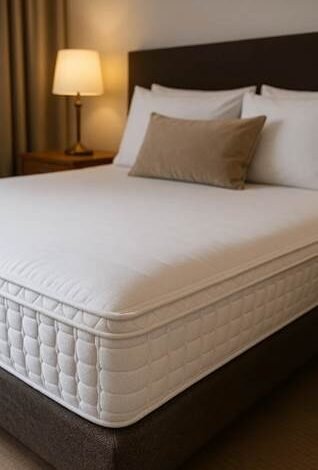
Great sleep starts before a guest even pulls back the duvet. hotelmatrassen should feel calm the second they sit no wobble at the edge, no puff of trapped air, just a steady, supported give. As they settle, pressure eases at shoulders and lower back, and motion stays local so a partner’s late check in doesn’t ripple across the bed. Through the night, breathable layers move heat away instead of holding it, and the core stays quiet no creaks, no hum. In the morning, housekeeping unzips the cover, checks the rotation marker, and clicks the topper back into place without a wrestling match. Room 317 feels like Room 1205 because the build is consistent, durable, and simple to service. That’s the difference guests feel and remember long after checkout.
Comfort that’s consistent not just soft
Guests describe comfort in human words “supportive,” “cradled,” “no pressure” but you manage it in specs. The winning formula is a stable core plus adaptive top layers. Pocketed coils or engineered foam cores keep spines aligned across body types; responsive comfort layers diffuse peak pressure at shoulders and hips. The goal with hotel mattresses is not maximum plushness; it’s repeatable neutrality. Night after night, a side sleeper and a back sleeper should both wake up feeling rested rather than “stuck” or over arched.
See also: Tips for Family Adventures with Travel Trailers and Fifth Wheels in Ontario
Hygiene engineered into the build
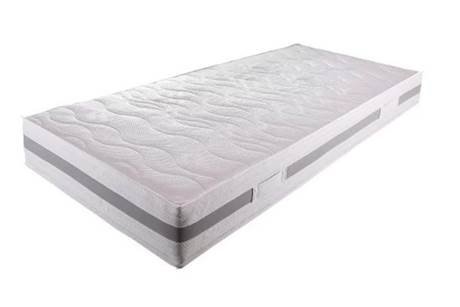
Clean isn’t only what housekeeping can see. Anti-microbial stretch covers with hidden zips, liquid barrier backings, and washable protectors create a hygienic envelope that withstands real world spills, late night room service, and the occasional mishap. Stain guarded borders and sealed seams stop wicking. When hotel mattresses are built around easy to maintain hygiene, rooms turn faster and stay fresher two metrics guests notice, even if they can’t name why.
Durability that protects your RevPAR
Mattress feel shouldn’t degrade between renovation cycles. High density foams resist compression set; tempered steel coils retain height and support; edge reinforcements stop that “roll off” feeling. When hotel mattresses keep their shape, you preserve both review scores and housekeeping ergonomics no sag trenches to tuck around, no rotating every week to hide soft spots. Long lived comfort is cheaper than frequent replacement, especially when disposal and downtime are factored in.
Sound, motion, and edge behavior
Families, couples, business travelers coming in late rooms live many lives. Beds must absorb vibration so one sleeper’s turn doesn’t wake another, remain quiet under shifting weight, and hold firm at the edge so guests can sit to lace shoes without sliding forward. Properly built hotel mattresses combine pocketed springs (or motion damping cores) with perimeter support that expands usable surface and protects toppers and linens from edge collapse.
Accessibility and height that simply feel right
Bed height influences perceived luxury and practical accessibility. Too low feels budget; too high feels awkward for children or guests with reduced mobility. Pair hotel mattresses with bases that put finished height in the comfortable 60-65 cm range (varies by market). The right height eases housekeeping lift, reduces wear on side panels, and creates a cohesive silhouette with your headboard line.
A practical checklist for GMs and owners
(Keep it simple one list, the essentials that move reviews.)
- Support + pressure relief: neutral spine for back and side sleepers; no “hammock,” no hot spots.
- Thermal design: breathable cover, vented core, heat diffusing comfort layer.
- Hygiene envelope: washable protector + liquid barrier + sealed seams.
- Durability: high density foams, tempered coils, reinforced edges, quiet materials.
- Serviceability: zip access where appropriate, standard sizes, clear rotation guidance.
- Compliance & sustainability: fire, VOC, and textile standards; documented supply chain.
Choose these well, and your hotel mattresses will carry far more of the guest experience load than décor ever could.
Why toppers don’t fix the wrong core
Toppers can fine tune feel, but they can’t correct a collapsing support layer. If a bed sags, adding plush only hides the symptom for a few weeks and traps more heat. Start with a resilient core and use toppers for last mile tuning across room types. In our experience, property wide results improve when hotel mattresses are specified correctly from the base up, then adjusted with standardized toppers to match brand signatures (e.g., “plush” vs. “signature firm”) without changing the underlying support.
Testing in the real world, not just the showroom
Showrooms are quiet; hotels aren’t. Run pilot rooms across guest profiles: solo business travelers, couples, families, and different climate exposures in your building. Track comments, returns to desk, and housekeeping notes (bed making effort, visible body impressions). When pilot hotel mattresses perform under real occupancy patterns late arrivals, multiple seaters, diverse body types you can roll out with confidence.
Training housekeeping is part of the spec
Even the best build can underperform if rotated or dressed incorrectly. Provide a one-page care card: rotation schedule, protector laundering temp, inspection points for early wear, and the safe way to lift edges without stressing the border. Well written guidance protects the investment and keeps hotel mattresses feeling “day one” far longer.
How Bremafa designs for reviews, not just rooms
At Bremafa, our engineering brief starts with guest language and ends with operator metrics. We prototype cores that balance alignment and pressure diffusion, test heat flow under realistic humidity, and validate noise/motion in paired sleeper scenarios. Covers are selected for cleanability first, hand feel second because a fabric that launders well stays luxurious
For more information and customized solutions, visit Bremafa

