
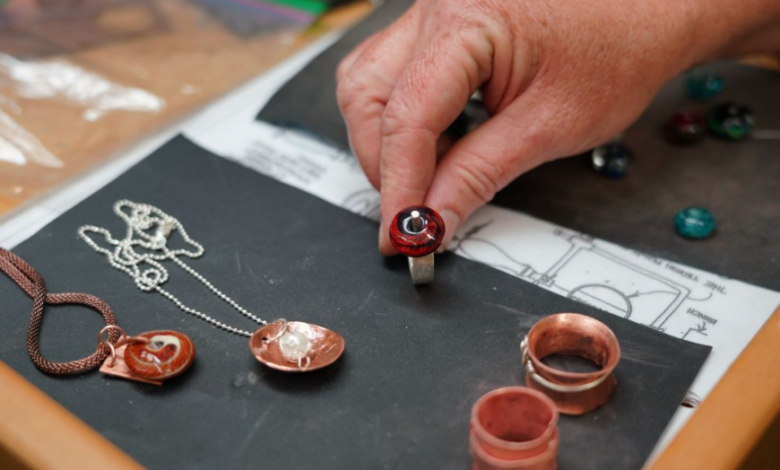
Wire jewelry is a creative and versatile form of handmade jewelry that involves shaping, twisting, and wrapping wire into beautiful wearable designs. From simple rings to intricate pendants and statement necklaces, wire jewelry combines craftsmanship, creativity, and affordability. It has gained massive popularity among DIY artists, small business owners, and fashion lovers because it requires minimal tools yet offers unlimited design possibilities.
What is Wire Jewelry?
Wire jewelry is made by bending, coiling, weaving, and wrapping metal wire into decorative shapes. Unlike traditional jewelry that often requires soldering or casting, wire jewelry can be created without heat, making it accessible for beginners. Artists use different wire gauges and materials to create earrings, bracelets, rings, anklets, and necklaces. The beauty of wire jewelry lies in its handcrafted appearance, artistic flexibility, and the ability to incorporate beads, gemstones, crystals, or charms.
See also: Step-by-Step Home Finance Guide for Stress-Free Property Ownership
Types of Wire Used in Wire Jewelry
Choosing the right wire is essential for durability and design quality. Here are the most common types:
- Copper Wire – Affordable, flexible, and ideal for beginners. It is easy to shape and available in many colors.
- Silver Wire – Includes sterling silver and fine silver. It offers a premium look but is more expensive.
- Gold-Filled Wire – Provides a luxurious appearance without the high cost of solid gold.
- Aluminum Wire – Lightweight and easy to manipulate but softer and less durable.
- Stainless Steel Wire – Strong and resistant to tarnish but harder to bend.
Wire also comes in different gauges (thickness). Lower gauge numbers mean thicker wire, while higher numbers indicate thinner wire. For example, 20-gauge wire is thicker than 26-gauge wire.
Basic Tools Needed for Wire Jewelry
You do not need expensive equipment to start making wire jewelry. Essential tools include:
• Round-nose pliers – For making loops and curves.
• Chain-nose pliers – For gripping and bending wire.
• Wire cutters – For cutting wire cleanly.
• Mandrels or ring sizers – For shaping rings and bracelets.
• Ruler or measuring tape – For accurate sizing.
Optional tools include nylon jaw pliers for straightening wire and a small hammer for hardening designs.
Popular Wire Jewelry Techniques
There are several techniques used to create stunning wire jewelry pieces:
Wire Wrapping – Wrapping thin wire around thicker wire or stones to secure them without glue.
Wire Weaving – Weaving thin wire between thicker base wires to create patterns.
Coiling – Wrapping wire around itself or a mandrel to form spirals.
Twisting – Twisting two or more wires together for texture.
Looping – Creating decorative loops for earrings and connectors.
Hammering – Flattening wire to add strength and texture.
Mastering these techniques allows artists to create intricate and professional-looking designs.
Types of Wire Jewelry Designs
Wire jewelry can be simple or highly detailed. Some common design categories include:
Wire Wrapped Rings – Adjustable rings with stones or minimalist designs.
Wire Earrings – Hoops, dangles, geometric shapes, and gemstone drops.
Wire Pendants – Wrapped crystals, tree of life designs, and symbolic shapes.
Wire Bracelets – Bangles, cuff bracelets, and charm bracelets.
Wire Necklaces – Statement pieces or delicate layered chains.
Each design can be customized with beads, crystals, pearls, or natural stones.
Benefits of Wire Jewelry
Wire jewelry offers many advantages:
Affordable – Low startup cost makes it ideal for beginners and small businesses.
Creative Freedom – Endless design possibilities.
No Soldering Required – Many designs require only bending and wrapping.
Lightweight – Comfortable for everyday wear.
Customizable – Personalized pieces for customers.
Eco-Friendly Options – Recycled wire materials are available.
Wire Jewelry as a Business Opportunity
Wire jewelry has become a profitable handmade business worldwide. Many artisans sell their creations online, at craft fairs, or through social media platforms. With proper branding, high-quality photography, and unique designs, wire jewelry can become a strong niche business.
To succeed:
• Focus on a specific style (minimalist, boho, luxury).
• Use high-quality materials.
• Offer customization options.
• Price products properly by considering material cost, labor, and profit margin.
• Build an online presence with consistent marketing.
Since wire jewelry is handmade, customers appreciate the uniqueness and craftsmanship, which increases perceived value.
Care and Maintenance of Wire Jewelry
Proper care extends the life of wire jewelry.
• Store in a dry place to prevent tarnish.
• Avoid contact with water, perfumes, and chemicals.
• Clean gently with a soft cloth.
• For silver wire, use a polishing cloth designed for jewelry.
Regular maintenance keeps pieces shiny and long-lasting.
Trends in Wire Jewelry
Modern trends include minimalist geometric shapes, birthstone wire rings, personalized name jewelry, and crystal-wrapped pendants. Nature-inspired designs such as leaves, trees, and floral shapes are also popular. Many designers are combining wire with resin, leather, or fabric for a contemporary look.
Conclusion
Wire jewelry is a timeless and artistic craft that blends simplicity with creativity. Whether you are a beginner exploring a new hobby or an entrepreneur building a handmade jewelry brand, wire jewelry offers endless possibilities. With minimal tools, affordable materials, and a little practice, anyone can create beautiful, unique pieces. Its flexibility, customization options, and growing market demand make wire jewelry both a fulfilling hobby and a promising business opportunity.
FAQs
Q1: Is wire jewelry suitable for beginners?
Yes, wire jewelry is beginner-friendly because it does not require soldering and needs only basic tools.
Q2: What is the best wire for beginners?
Copper wire is recommended for beginners because it is affordable and easy to shape.
Q3: Does wire jewelry tarnish?
Some materials like copper and silver can tarnish over time, but proper storage and cleaning can reduce tarnishing.
Q4: Can I start a wire jewelry business from home?
Yes, many people successfully run wire jewelry businesses from home with low startup costs.
Q5: How long does it take to learn wire jewelry making?
Basic designs can be learned within a few days, while mastering advanced techniques may take weeks or months of practice.

