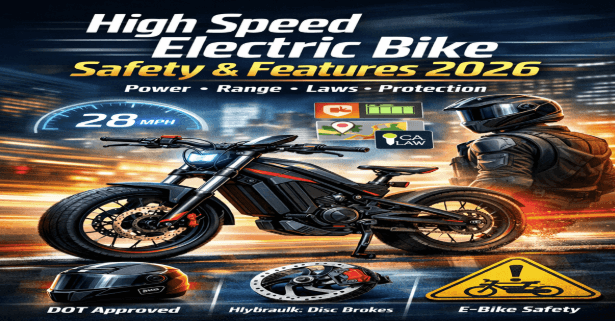
A high speed electric bike reaches Class 3 speeds of up to 28 MPH using a powerful electric motor. These e-bikes require advanced suspension systems, hydraulic disc brakes, and reinforced frames for stability. Riders must prioritize safety by wearing DOT-certified helmets, following traffic regulations, and performing regular e-bike maintenance to ensure optimal performance in 2026.
Who This Is For
This guide helps urban commuters, city cruisers, and mountain bike enthusiasts seeking higher speeds. It also serves buyers looking to upgrade their commuter e-bikes for faster travel while meeting new regulatory standards.
The Appeal of High-Speed E-Biking
Electric bikes transform how people travel. Models reaching high speeds offer faster commutes and thrilling rides. Riders choose these performance systems to beat traffic and reduce their carbon footprint.
Unlike Class 1 e-bikes and Class 2 e-bikes, Class 3 models reach 28 MPH. This speed requires riders to pay special attention to road conditions. Upgraded components handle the extra motor power safely. Modern tech advancements showcased at events like the Sea Otter Classic highlight the shift toward high-power electric bike designs.
Core Features of a High Speed Electric Bike
Manufacturers engineer high-performance electric bikes with premium components. These parts ensure stability and control at elevated speeds.
Powerful Motors and Battery Range
Speed relies on a robust electric motor. Many brands use a brushless DC motor, a rear hub motor, or mid-drive motors. A torque sensor improves acceleration by matching the rider’s pedaling effort. A high battery capacity ensures an extended battery range. Riders rely on lithium-ion batteries with strict battery safety certification like UL 2849 or EN 15194. Battery Management Systems protect these power cells from overheating.
Suspension and Braking Systems
Stopping quickly is critical. Hydraulic brakes and hydraulic disc brakes provide decisive stopping power. Regenerative braking systems also help recharge the battery during stops. For ride comfort, bikes feature a suspension fork, front suspension, or full suspension systems. Fat tires and proper tire inflation maintain superior grip.
Reinforced Frames and Smart Tech
High-grade aluminum and carbon fiber belt drives create reinforced frames. These frames prevent wobbling at high speeds. Integrated control systems feature GPS tracking, turn signals, and auto lights. Rear lights and integrated lighting meet strict rear light and reflector requirements for night riding.
E-Bike Classes Comparison Table
| Feature | Class 1 | Class 2 | Class 3 |
| Top Speed | 20 MPH | 20 MPH | 28 MPH |
| Throttle | No | Yes | Optional/No |
| Motor Power | Up to 750W | Up to 750W | Up to 750W |
| Ideal For | City Bikes | Commuter e-bikes | High speeds |
Pros and Cons of High-Speed E-Bikes
Pros
- Reduces commute times significantly.
- Advanced suspension systems offer smooth rides.
- Electronic safeguards protect riders.
- Eco-friendly alternative to cars.
Cons
- Requires DOT-certified protective gear.
- Higher upfront cost.
- Subject to strict traffic regulations.
- Heavy reinforced frames make transport difficult.
See also: Battery Life, Display, Portability: Laptop Specs Explained
Critical Safety Measures for 2026
Elevated speeds require proactive safety habits. Riders must wear protective clothing, visibility gear, and reflective clothing. DOT-certified helmets provide essential head protection.
Riders must also practice e-bike maintenance. Regular battery and motor inspection prevents breakdowns. Checking sensor types or performing a sensor swap keeps the pedal assist functioning correctly.
Navigating Traffic Regulations
The legal landscape changes frequently. By January 1, 2026, laws like California E-Bike Laws (SB 1271 and AB 544) will penalize non-compliant vehicles. Riders must understand where they can legally ride an electric cargo bike or mountain bikes.
Common Mistakes
- Ignoring basic e-bike maintenance and tire inflation.
- Riding without visibility gear during night riding.
- Purchasing non-compliant vehicles without UL 2849 certification.
- Overestimating reaction times at 28 MPH.
Frequently Asked Questions
What defines a Class 3 electric bike?
A Class 3 e-bike provides motor assistance only when the rider pedals and stops assisting when the bike reaches 28 MPH.
Do I need a license for a high-speed e-bike?
Most states do not require a license, but California E-Bike Laws restrict riders under 16 from operating Class 3 models.
How do hydraulic brakes improve safety?
Hydraulic disc brakes use fluid to multiply braking force. This design offers faster stopping power and better heat management.
Are fat tires necessary for high speeds?
Fat tires provide a larger contact patch with the ground. This improves stability, traction, and shock absorption on rough roads.
What is the UL 2849 certification?
UL 2849 is a battery safety certification. It ensures the lithium-ion batteries and electrical systems meet strict fire safety standards.
Ride Your High Speed Electric Bike Safely
High-speed models like the TST EBike, Macfox X2, and Aventon Level push the limits of urban mobility. You get advanced features, modern tech, and powerful motors. You must balance this performance with smart riding habits and regular maintenance. Choose certified equipment, respect traffic laws, and wear the right gear. Enjoy the ride and arrive safely.