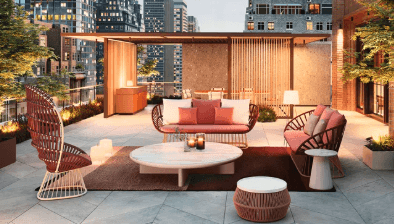
It is impossible to overestimate the importance of outdoor areas in cafés, restaurants, and hotels as the hospitality sector embraces the charms of al fresco eating and relaxation. These areas combine the coziness of interior rooms with the unspoiled beauty of outdoor settings to provide visitors with a singular experience. The choice of furniture needs to be carefully considered to create a warm and useful outdoor space. These are some crucial pointers for selecting outdoor furniture appropriate for hospitality situations.
PRIORITIZE DURABILITY
The weather may affect outdoor furniture, as it is subject to sun, rain, wind, and temperature changes. Durability is, therefore, crucial. Choose fabrics that are resistant to inclement weather without sacrificing comfort or style.
Aluminum: A common material for outdoor furniture, aluminum is lightweight and corrosion-resistant. It’s perfect for locations with a lot of rain and humidity because it’s simple to relocate and maintain.
Teak: Well-known for its organic oils that ward off moisture and withstand decay, teak is a traditional and opulent choice. Its attractiveness is enhanced by its propensity to wear beautifully into a silvery patina.
Made of Iron: Wrought iron furniture is hefty and incredibly robust, ideal for windy environments. However, it needs routine upkeep to avoid rust.
Synthetic Rattan: This material resembles real rattan in appearance but is better able to withstand dampness and UV radiation. It’s a great alternative if you want something fashionable but useful.
COMFORT IS KEY
For visitors to feel satisfied, sitting must be comfortable. When choosing commercial outdoor furniture, consider ergonomic designs that offer sufficient support. Weather-resistant and effortlessly cleanable cushions and upholstery are essential.
Cushions: Look for cushions coated in UV- and water-repellent materials and constructed of quick-dry foam. One useful feature is that the coverings are washable and removable.
Ergonomics: Chairs with curved armrests and backs increase comfort. Lounge chairs or other reclining alternatives can help guests unwind.
AESTHETIC APPEAL
How outdoor furniture looks is important in establishing a unified and welcoming space. Select furniture that blends well with your establishment’s general design motif.
Color schemes: Beige, grey, and white are examples of neutral hues that are ageless and adaptable. Though they may be whimsical, bright colors and patterns should be used sparingly to prevent overpowering the room.
Styles: Make sure the furniture matches your business identity, whether you’re more into coastal, rustic, or futuristic minimalism. Mixing and matching styles may provide an eclectic and distinctive look when done carefully.
SPACE OPTIMIZATION
Making the most of outdoor space is crucial, particularly in metropolitan areas where available space may be limited. Take into account the furniture’s size and arrangement to guarantee a pleasant flow and plenty of seating.
Modular furniture may be reconfigured to accommodate various gatherings and sizes of people, providing versatility and effective use of available space.
Options that fold and stack are useful for spaces where furniture has to be kept out of the way or in bad weather.
See also: Wire Jewelry – A Complete Guide to Art, Techniques, and Business Opportunities
FUNCTIONALITY AND VERSATILITY
In hospitality settings, outdoor areas are frequently used for more than dining and relaxing—they may also be used for holding events. Adaptable furniture can make these spaces more practical.
Multipurpose Furniture: Benches with storage or tables with height adjustments might be more convenient.
Solutions for Shade: Retractable awnings, pergolas, and umbrellas provide shelter from the sun and rain so visitors can use the outdoor area in all weather.
MAINTENANCE AND UPKEEP
Frequent upkeep is essential to extending the life of outdoor furniture and maintaining its finest appearance. Select styles and materials that are simple to maintain and clean.
Cleaning: Choose furniture with readily wipeable, smooth surfaces. Steer clear of complex designs that might collect dust and grime.
Invest in high-quality coverings to keep furniture safe when not in use. This can shield against UV, rain, and dust damage.