A calm, hard working kitchen doesn’t happen by accident. It starts with a plan that fits your cooking, not a showroom fantasy and it’s built from materials that look good on day one and still feel solid in year ten. That’s where custom keukenkasten shine. When storage is shaped around your habits and space, mornings are smoother, clean ups are quicker, and the room stays gracious even on busy nights. Here’s a practical guide from Wehebbenallesinhuis to help you design a layout that earns every centimetre and choose finishes that last.
Map the work zones, then connect them
The classic triangle hob, sink, fridge still works, but modern cooking is more like a network. Group tasks by flow: prep near the sink and bin; heat near pots, spices, and oils; plating near dishes and cutlery. Your kitchen cabinets should support that choreography. A 90 cm drawer stack under the hob holds pans; a spice pull out to the side keeps flavours at your fingertips; a narrow tray pull out by the sink swallows chopping boards. When zones talk to each other, you move less and cook more.
Get the ergonomics right
A good layout feels effortless because dimensions are doing the work. Counter height should suit your body, not a catalogue taller cooks often prefer 93-95 cm; bakers like a lower section for kneading. Deep drawers (with 40-50 kg runners) beat low shelves for pots, and they should glide with a nudge, even when full. Aim for 30-35 cm deep wall units to avoid the “head bump,” and use lift up fronts where doors would clash. Well planned kitchen cabinets bring everything to you, so you’re not kneeling on cold tiles to find a colander.
Smarter storage that keeps benches clear
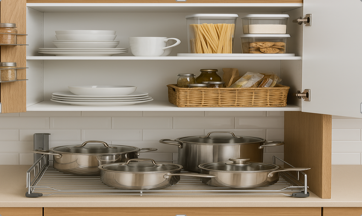
Visual calm starts inside the units. Drawer in drawer organizers separate lids from pots. A pull out next to the dishwasher parks everyday plates. A bin drawer with two or three compartments makes recycling second nature. Tall pantry units with full extension pull outs turn a deep void into a one glance inventory. When small choices add up, your kitchen cabinets stop hoarding clutter and start clearing it.
Hardware is the quiet hero
You won’t see a hinge in photos, but you’ll feel it for years. Specify soft close hinges from a reputable brand, full extension runners with real load ratings, and sturdy, adjustable legs under plinths. If a door is tall or heavy, add a third hinge. If a drawer is wide and deep, upgrade the runner. Quality hardware turns kitchen cabinets into tools you don’t have to think about everything opens with one hand and shuts without a slam.
Finishes you can trust in real life
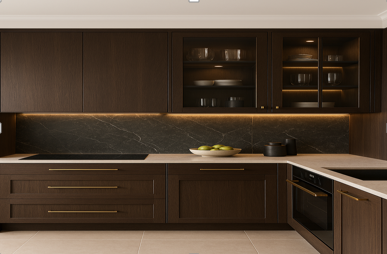
Matte laminates hide fingerprints and soften glare under LEDs. Fenix type nanotech laminates resist scratches and can be thermally “healed” for small scuffs. Painted fronts in a satin water borne system feel calm and can be refinished down the line. Oiled oak warms white walls and pairs well with stone, but protect sink zones with a tougher finish. With honest advice, kitchen cabinets stay good looking without asking you to baby them.
Worktops and splashbacks that play nicely
Your doors and drawers will last longer if the surfaces they meet are forgiving. Engineered stone is low maintenance and stable; porcelain slabs bring heat resistance and crisp veining; solid wood adds tactile charm away from the sink and hob. Match edges to door styles (a thin shadowline reads modern; a thicker edge feels traditional). The right choices keep kitchen cabinets protected while the room reads as one design.
See also: The Benefits of Installing a Flat Glass Skylight in Your Home
Light where you need it (and not in your eyes)
A bright bench makes everything easier. Run low glare LED strips under wall units and inside tall pantries. Put small puck lights over sinks and in corner units. Use warm colour temperatures (2700-3000K) so food looks appetizing. A simple motion sensor in the bin drawer is a joy. Lighting turns kitchen cabinets from boxes into working stations and makes midnight water runs feel considered.
Power, water, and the “don’t forgets”
Plan outlets inside appliance garages; give the coffee zone its own spur; add a plug in the pantry for a hand vac. If your fridge sits in a tall run, leave a service void for plumbing and ventilation. Fit anti tip brackets on tall units in seismic zones. Vent downdraft extractors properly, not into a cupboard. All the mundane bits keep kitchen cabinets feeling solid when life happens.
Measure honestly, install cleanly
Rooms are rarely square. Good fitters scribe end panels to walls and floors, pack plinths level, and shim tall runs so doors align. If you’re spanning a long wall, add intermediate uprights to avoid shelf sag. A millimetre accurate survey saves a day of onsite compromise and it’s why custom kitchen cabinets look like architecture, not furniture pushed against a wall
Common mistakes (and easy fixes)
- Buying by door style alone. Pretty fronts can’t rescue a poor interior plan; let function lead.
- Overdeep wall units. If you hit your head, they’re too deep; keep them comfortable and light them properly.
- Too many open shelves. They photograph well and collect dust; use sparingly and give them purpose.
- Ignoring future needs. Leave one adjustable bay; life changes and flexible kitchen cabinets feel new without a remodel.
Small corrections early prevent big frustrations later.
Why work with Wehebbenallesinhuis
You want a kitchen that cooks as well as it photographs. We start with your inventory and habits, not just a door sample. We draw to the millimetre, mock up tricky corners, and specify hardware that matches real loads. We source responsible materials, bring finish samples into your light, and install with people who care about the last 5 mm as much as the first sketch. The result: kitchen cabinets that use every centimetre, support the way you live, and stay lovely for years.
Bringing it all together
A great kitchen feels calm because every item has a home and every move makes sense. When you plan zones around tasks, choose honest materials, and respect the realities of light, power, and water, kitchen cabinets stop being boxes and start working like a system. You cook more, search less, and the room keeps its promise long after the novelty fades. That’s the power of getting the design right one drawer, one hinge, one carefully measured line at a time.
Discover the full range and possibilities directly at Wehebbenallesinhuis.